Lawyer for auto accident is your essential guide through the often-turbulent aftermath of a car crash. This exploration delves into the critical role these legal professionals play, from understanding their fundamental duties and ethical compass to navigating the intricate landscape of evidence collection and insurance negotiations. We will uncover the multifaceted journey of a vehicular incident case, offering insights into what makes a claim robust and how to secure fair compensation for your losses.
This comprehensive overview is designed to demystify the process for anyone involved in a car accident. We will cover everything from the initial consultation to the potential for litigation, ensuring you are equipped with the knowledge to make informed decisions. Understanding your rights and the steps involved is paramount to achieving a just resolution.
Understanding the multifaceted role of a legal advocate specializing in vehicular incidents.
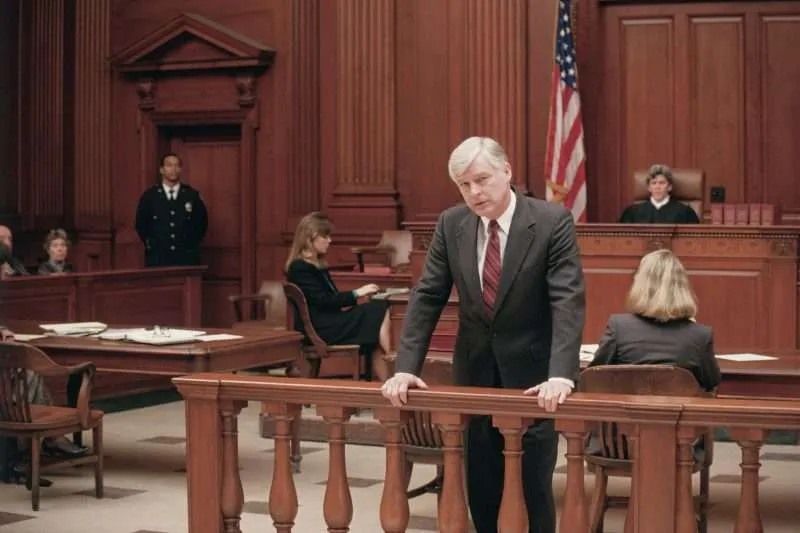
Navigating the aftermath of a vehicular incident can be a daunting and overwhelming experience. Beyond the immediate physical and emotional toll, victims often face complex legal and insurance processes. This is where a dedicated legal advocate specializing in auto accidents becomes an indispensable ally. Their role extends far beyond simply filing paperwork; it involves a comprehensive approach to protecting your rights, securing fair compensation, and guiding you through every step of the legal journey.The fundamental responsibilities and ethical obligations of a legal professional dedicated to representing individuals involved in car crashes are multifaceted and deeply rooted in client advocacy and legal integrity.
At its core, the advocate’s primary duty is to champion the rights and interests of their client. This begins with a thorough investigation of the incident, meticulously gathering all relevant evidence. This includes obtaining police reports, witness statements, photographic and video evidence of the scene and vehicle damage, and medical records detailing injuries. The advocate must also understand and apply the relevant laws governing traffic accidents, negligence, and damages within their jurisdiction.
This requires a deep knowledge of statutory requirements, case law precedents, and procedural rules. Ethical obligations are paramount and include maintaining client confidentiality, avoiding conflicts of interest, and acting with diligence and competence. This means communicating effectively with the client, keeping them informed of case progress, and explaining legal strategies and potential outcomes in clear, understandable terms. The advocate must also engage in good-faith negotiations with insurance companies and opposing counsel, always striving for a just and equitable settlement.
If a settlement cannot be reached, they must be prepared to aggressively litigate the case, presenting compelling arguments and evidence in court to secure the best possible outcome for their client. This often involves expert testimony from accident reconstructionists, medical professionals, and economists to substantiate claims for damages.
Types of Vehicular Incidents Requiring Legal Representation
A wide spectrum of vehicular incidents can necessitate legal representation, each with its unique complexities and potential for significant harm. The need for an advocate arises when an accident results in injuries, property damage, or fatalities, particularly when fault is disputed or the extent of damages is substantial. Understanding these various scenarios helps individuals recognize when seeking legal counsel is a prudent and often essential step.Common types of vehicular incidents that typically require legal representation include:
- T-bone collisions (Intersection Accidents): These occur when the front of one vehicle strikes the side of another, often at intersections. They can result from one driver running a red light or stop sign, or failing to yield. The impact can be severe, leading to significant injuries like whiplash, fractured bones, and internal damage. For instance, a scenario where a driver legally proceeding through an intersection is struck by a speeding vehicle that ignores a stop sign, causing the victim to sustain a concussion and a broken arm, would strongly warrant legal representation to recover medical expenses and lost wages.
- Rear-end collisions: These are among the most frequent types of accidents. While often perceived as minor, they can cause serious injuries, particularly to the neck and spine (whiplash). Fault is frequently assigned to the driver who struck the rear vehicle, but in some cases, the lead driver may have contributed through sudden braking without cause. A case where a driver is rear-ended at a red light, leading to chronic back pain and the need for ongoing physical therapy, would benefit from legal advocacy to ensure adequate compensation for long-term medical needs and pain and suffering.
- Head-on collisions: These are often the most catastrophic, with a high incidence of severe injuries and fatalities due to the direct impact of two vehicles traveling towards each other at speed. They can be caused by distracted driving, impaired driving, or driving on the wrong side of the road. An example is a scenario where a drunk driver swerves into oncoming traffic, causing a head-on collision that results in multiple fatalities and catastrophic injuries to the surviving occupants of the other vehicle.
This type of incident demands experienced legal representation to navigate complex wrongful death claims and substantial personal injury claims.
- Rollover accidents: These can occur in single-vehicle accidents, often due to excessive speed, sudden maneuvers, or vehicle defects, or in multi-vehicle crashes. The outcome can be extremely serious, with occupants often being ejected from the vehicle, leading to severe trauma. Consider a situation where a sport utility vehicle, due to a tire blowout, rolls over multiple times, causing severe spinal cord injuries to a passenger.
Legal recourse may be necessary to investigate potential vehicle manufacturing defects or road conditions contributing to the accident.
- Pedestrian and cyclist accidents: These incidents are particularly tragic, as vulnerable individuals are struck by motor vehicles. The injuries sustained are often life-altering. A common scenario involves a driver failing to yield to a pedestrian in a crosswalk, leading to severe leg fractures and head trauma. Legal representation is crucial to hold the negligent driver accountable and secure compensation for the pedestrian’s extensive medical care, rehabilitation, and potential loss of future earning capacity.
- Trucking accidents: Accidents involving large commercial trucks are often more severe due to the size and weight of these vehicles. They can involve complex federal regulations and multiple liable parties (e.g., the driver, the trucking company, the cargo loader). A scenario where a fatigued truck driver violates hours-of-service regulations and causes a multi-vehicle pile-up on a highway, resulting in multiple serious injuries and fatalities, would require specialized legal expertise to address the intricacies of commercial trucking law.
Initial Client Consultation Process
The initial client consultation is a critical juncture in the attorney-client relationship for vehicular incident cases. It serves as the foundation for understanding the client’s situation, establishing trust, and setting realistic expectations. This meeting is not merely an information-gathering session; it’s a strategic opportunity for the legal advocate to assess the viability of the case, explain their role, and Artikel the path forward.
The advocate must approach this consultation with empathy and professionalism, recognizing that the client is likely experiencing significant distress.The conceptual framework for an initial client consultation process involves several key stages:
- Welcome and Rapport Building: The advocate begins by creating a welcoming and comfortable environment. This involves introducing themselves and their team, and offering a brief overview of the firm’s experience in handling vehicular incident cases. Building rapport is essential for the client to feel heard and understood.
- Client’s Narrative: The advocate actively listens as the client recounts the details of the accident. This includes the date, time, location, weather conditions, what happened immediately before, during, and after the incident, and any interactions with other parties or law enforcement. The advocate will ask clarifying questions to ensure a complete understanding.
- Information Gathering: This stage involves collecting essential documents and information. The advocate will inquire about:
- Contact information for all parties involved, including witnesses.
- Details of insurance policies (personal and the at-fault party’s).
- Any police reports or citations issued.
- Medical treatment received, including names of doctors, hospitals, and dates of service.
- Photographs or videos of the accident scene, vehicles, and injuries.
- Information about lost wages and employment status.
The advocate will often provide a checklist of documents to bring to subsequent meetings or request permission to obtain certain records directly.
- Explanation of Legal Rights and Options: The advocate will clearly explain the client’s legal rights, including their right to seek compensation for damages such as medical expenses, lost income, pain and suffering, and property damage. They will discuss the legal concepts of negligence and liability as they apply to the specific facts of the case.
- Case Assessment and Preliminary Strategy: Based on the information gathered, the advocate will provide an initial assessment of the case’s strengths and weaknesses. They will explain the general legal process and Artikel a preliminary strategy for pursuing the claim, which might involve investigation, negotiation, or litigation.
- Expectation Setting: It is crucial to manage client expectations regarding timelines, potential outcomes, and the attorney’s fees. The advocate will explain how their fees are structured (e.g., contingency fee basis) and discuss the typical duration of such cases, emphasizing that every case is unique and outcomes cannot be guaranteed.
- Decision and Next Steps: The client is given time to consider their options. If they decide to retain the advocate, the necessary retainer agreement will be explained and signed. The advocate will then clearly Artikel the immediate next steps, such as contacting insurance companies, preserving evidence, and scheduling further investigations.
Phases of a Typical Vehicular Incident Case
The progression of a vehicular incident case from the perspective of the legal representative can be broadly categorized into distinct phases, each with its specific objectives and tasks. Understanding these phases provides a clear roadmap for clients and highlights the systematic approach required to achieve a favorable resolution. While the duration and complexity of each phase can vary significantly based on the specifics of the incident, the severity of injuries, and the willingness of parties to negotiate, this framework offers a general overview.The distinct phases of a typical vehicular incident case are as follows:
- Initial Investigation and Case Intake: This is the foundational phase where the legal representative gathers all necessary information to understand the incident thoroughly. It involves meeting with the client, collecting initial documentation (police reports, photos, witness contacts), and identifying all potentially liable parties and insurance carriers. The advocate will also assess the immediate needs of the client, such as securing medical treatment and preventing evidence spoliation.
- Evidence Gathering and Preservation: Once the case is formally accepted, a more intensive evidence-gathering process begins. This phase may involve:
- Obtaining detailed accident reports from law enforcement agencies.
- Interviewing witnesses and taking sworn statements.
- Hiring accident reconstruction experts to analyze the dynamics of the crash.
- Collecting medical records, bills, and expert opinions on the extent and prognosis of injuries.
- Documenting property damage to vehicles and any other affected property.
- Investigating the background of the at-fault party, including driving history and any potential contributing factors like intoxication or distraction.
The goal is to build a comprehensive and compelling record that clearly establishes liability and the full extent of the client’s damages.
- Demand and Negotiation: With sufficient evidence in hand, the advocate prepares a formal demand letter to the at-fault party’s insurance company. This letter Artikels the facts of the case, asserts liability, details the client’s injuries and damages, and proposes a settlement amount. This phase involves extensive back-and-forth negotiation with the insurance adjuster. The advocate’s skill in negotiation is crucial here, leveraging the gathered evidence to advocate for fair compensation.
- Discovery (if negotiation fails): If a satisfactory settlement cannot be reached through negotiation, the case moves into the discovery phase, a formal legal process for exchanging information between parties. This can include:
- Interrogatories: Written questions that must be answered under oath.
- Requests for Production of Documents: Formal requests for relevant documents.
- Depositions: Oral testimony taken under oath, outside of court, with attorneys for all parties present.
This phase is crucial for uncovering all relevant facts and can often lead to a settlement once parties have a clearer understanding of the opposing side’s case.
- Mediation or Arbitration: As an alternative to a full trial, parties may agree to mediation or arbitration. Mediation involves a neutral third party who facilitates discussions to help the parties reach a voluntary agreement. Arbitration is a more formal process where a neutral arbitrator hears evidence and makes a binding or non-binding decision. These processes can be more efficient and less costly than a trial.
- Trial Preparation and Litigation: If all prior attempts at resolution fail, the case proceeds to trial. This phase involves meticulous preparation, including drafting pleadings, filing motions, preparing witnesses, and developing trial strategies. The legal representative will present the case to a judge or jury, arguing for the client’s right to compensation.
- Post-Trial Motions and Appeals: Following a trial verdict, there may be post-trial motions filed by either party, such as motions for a new trial or judgment notwithstanding the verdict. If a party is dissatisfied with the outcome, they may pursue an appeal to a higher court.
- Settlement or Judgment Enforcement: Once a settlement is reached or a judgment is rendered, the final phase involves ensuring the client receives their compensation. This includes the disbursement of funds, payment of liens, and satisfaction of any outstanding obligations.
Identifying the critical evidence needed to build a strong claim following a motor vehicle collision.

Successfully navigating the aftermath of a car accident hinges on the meticulous collection and preservation of evidence. As your legal advocate specializing in vehicular incidents, my primary objective is to ensure that every piece of information that could bolster your claim is identified, secured, and strategically utilized. This evidence forms the bedrock upon which your case is built, painting a clear picture of what transpired and who bears responsibility.
Without a comprehensive and well-documented evidentiary foundation, even the most straightforward accident can become a complex and challenging legal battle.The journey to a favorable outcome begins at the scene and extends through a thorough investigation of all relevant documentation and testimony. Understanding the types of evidence, how to gather it, and its legal significance is paramount. This section will delve into the essential elements of evidence collection and analysis that are crucial for establishing liability and securing the compensation you deserve.
Physical Evidence at the Accident Scene
The physical evidence present at the scene of a motor vehicle collision is often the most immediate and compelling. Securing and preserving this evidence is a critical first step in building a strong claim. A legal expert will understand the importance of acting swiftly, as elements can be altered or disappear quickly due to weather, traffic, or other human interventions.At the scene, an attorney will meticulously document the location and condition of the vehicles involved.
This includes taking high-resolution photographs and videos from multiple angles, capturing the extent of the damage to each vehicle, the position of the vehicles relative to each other and the roadway, and any skid marks or debris fields. These visual records are invaluable for reconstructing the accident dynamics. Road conditions, such as the presence of ice, oil slicks, potholes, or poor lighting, will also be noted and photographed, as these can contribute to fault.
Traffic control devices, such as stop signs, traffic lights, and lane markings, will be examined to ensure they were functioning correctly and visible.Furthermore, investigators will look for any objects or debris that may have been dislodged during the impact, such as broken glass, plastic fragments, or vehicle parts. These items can provide clues about the force and nature of the collision.
If there were any fluid leaks, such as oil or coolant, their spread can help indicate the point of impact and the direction of force. In cases involving pedestrians or cyclists, any personal belongings or equipment that were damaged will be carefully documented.Securing this evidence often involves working with law enforcement to obtain the official police report, which usually contains initial observations and diagrams of the scene.
If the scene is particularly complex or involves multiple vehicles, engaging a professional accident reconstructionist may be necessary. These experts use scientific principles and data to determine the sequence of events leading up to and during the collision. Preserving evidence also means ensuring that damaged vehicles are not prematurely repaired or scrapped before they can be inspected by experts or opposing counsel.
This might involve placing a legal hold on the vehicles or arranging for their storage in a secure location.
Documentation for Vehicular Incident Claims
A comprehensive collection of documentation is indispensable for substantiating a vehicular incident claim. Each document provides a piece of the puzzle, contributing to a clear narrative of the accident and its consequences. These records serve as objective proof of events, damages, and losses, making it significantly easier to establish fault and calculate fair compensation.The cornerstone of documentation is the Police Report.
This official record, compiled by responding law enforcement officers, typically includes details such as the date, time, and location of the accident, the names and contact information of all parties involved, witness statements, descriptions of the vehicles, initial assessments of fault, and any citations issued. It is a crucial starting point for any claim.Next, Medical Records and Bills are paramount. These documents detail the injuries sustained, the course of treatment, and the associated costs.
This includes emergency room reports, physician’s notes, diagnostic test results (X-rays, MRIs, CT scans), hospital stay records, physical therapy notes, and prescriptions. The medical documentation must clearly link the injuries to the accident. All bills from healthcare providers, including ambulance services, hospitals, doctors, chiropractors, and pharmacies, are essential for calculating medical expenses. Lost Wage Information is also vital. This involves pay stubs, tax returns, and letters from employers verifying the claimant’s income and the duration of their absence from work due to the accident-related injuries.
For self-employed individuals, business records and tax returns will be used to demonstrate lost earning capacity. Vehicle Repair Estimates and Invoices detail the cost of repairing the damaged vehicle. This includes estimates from body shops and mechanic bills, as well as invoices for towing services and rental car expenses incurred while the claimant’s vehicle was being repaired. If the vehicle is deemed a total loss, documentation supporting its pre-accident market value will be needed.
Photographs and Videos of the accident scene, the damage to the vehicles, and the claimant’s injuries are powerful visual evidence. These can be taken by the claimant, witnesses, or investigators.Finally, Correspondence with Insurance Companies should be meticulously kept. This includes all letters, emails, and notes from conversations with insurance adjusters, as well as copies of any settlement offers or denials. This documentation helps track the progress of negotiations and identify any potential bad faith practices by the insurer.
Witness Statements and Expert Reports
Obtaining credible witness statements and authoritative expert reports are pivotal steps in strengthening a vehicular incident claim. These elements move beyond the immediate physical evidence to provide context, clarify causation, and quantify damages in ways that are often beyond the scope of lay understanding. Their impact on case outcomes can be profound, often swaying the perception of fault and the extent of harm.Witness statements offer independent perspectives on the accident.
Eyewitnesses who observed the collision can provide crucial details about how the accident occurred, the actions of the drivers, vehicle speeds, and road conditions. A legal advocate will systematically identify potential witnesses, which can include passengers in the involved vehicles, occupants of other vehicles, pedestrians, or even residents or business owners near the accident scene. The process of obtaining these statements involves conducting interviews, either in person or over the phone, and meticulously recording their accounts.
It’s important to capture not only what they saw but also their vantage point and any potential biases. These statements, especially if sworn or notarized, can be used to corroborate the claimant’s version of events or to challenge the opposing party’s narrative.Expert reports, on the other hand, bring specialized knowledge to bear on complex aspects of the case. In the context of a car accident, several types of experts may be involved.
Accident Reconstructionists are engineers or specialists who analyze physical evidence, vehicle data, and witness testimony to scientifically determine the cause and sequence of events of the collision. Their reports can definitively establish factors like speed, braking, and the point of impact, which are critical for assigning fault. Medical Experts play a vital role in evaluating the claimant’s injuries. They can provide opinions on the nature and severity of the injuries, whether they are permanent, and the claimant’s prognosis.
They can also explain how the injuries were caused by the accident and the long-term impact on the claimant’s quality of life and ability to work. These reports are essential for justifying the claim for medical expenses and pain and suffering.In cases involving significant economic losses, Vocational Experts or Economists may be retained to assess lost earning capacity and future financial losses.
They can calculate the present value of future lost wages and benefits, particularly if the claimant is unable to return to their previous line of work.The impact of these reports on case outcomes is substantial. They provide objective, scientifically-backed evidence that can counter opposing arguments and convince insurance adjusters, judges, and juries of the validity and value of the claim.
A well-reasoned expert report can significantly increase settlement leverage and, in trial, can be the deciding factor in establishing liability and damages.
Digital Evidence in Establishing Fault
In today’s digitally interconnected world, digital evidence has become an indispensable tool in establishing fault following a motor vehicle collision. These forms of evidence offer objective, often timestamped, accounts of events that can be incredibly persuasive. Understanding how to identify, secure, and interpret this data is a key aspect of modern legal advocacy in accident cases.One of the most significant forms of digital evidence is Dashcam Footage.
Many vehicles are now equipped with dashboard cameras that record the road ahead, and sometimes the interior, while the vehicle is in motion. This footage can provide an unadulterated view of the accident as it unfolded. It can clearly show the actions of the drivers, traffic signal compliance, speed, and the sequence of events leading up to the impact. For instance, dashcam footage can definitively prove if a driver ran a red light, was speeding excessively, or made an illegal maneuver.
The timestamp on the footage also helps corroborate the timing of the accident. Securing this evidence involves promptly requesting it from the owner of the vehicle with the dashcam, as it may be overwritten or deleted. Cell Phone Records are another critical piece of digital evidence, particularly concerning driver distraction. While direct evidence of cell phone use at the exact moment of impact can be challenging to obtain without a court order, cell phone records can provide strong circumstantial evidence.
These records can show call logs, text messages, and data usage, along with the associated timestamps and locations. If a driver was actively using their phone for calls, texts, or browsing immediately before or during the accident, this can be compelling evidence of distracted driving. Attorneys will typically subpoena these records from the cell phone carrier, often requiring a court order or agreement from the involved parties.
The data can reveal patterns of usage that correlate with the time of the collision, suggesting that the driver’s attention was diverted from the road.Beyond dashcams and cell phones, other digital sources can be relevant. GPS data from navigation systems or vehicle infotainment systems can sometimes reveal speed and routes taken. Traffic camera footage from intersections or roadways, if available, can offer a broader perspective of the accident scene and traffic flow.
In some instances, social media posts made by involved parties before or after the accident might contain admissions or provide context about their state of mind or activities leading up to the incident.The impact of digital evidence on establishing fault is immense. It offers objective verification that can be difficult to dispute. Unlike eyewitness testimony, which can be subjective and prone to memory lapses, digital evidence is often a direct recording of events.
This can be particularly useful in “he said, she said” scenarios, where the accounts of the drivers are contradictory. By presenting clear, factual digital evidence, an attorney can build a robust case for liability, demonstrating negligence with a high degree of certainty and significantly improving the chances of a favorable resolution.
Understanding the Potential Financial Recoveries Available to Those Injured in Traffic Incidents: Lawyer For Auto Accident
Navigating the aftermath of a vehicular incident can be overwhelming, especially when considering the financial implications of injuries sustained. Fortunately, the legal framework in place allows victims to seek compensation for a range of losses, aiming to restore them, as much as possible, to their pre-incident condition. This compensation, often referred to as damages, is designed to address both the tangible and intangible burdens that arise from a collision.The types of damages recoverable in a vehicular incident lawsuit are broadly categorized into economic and non-economic losses.
Economic damages represent quantifiable financial losses that can be precisely calculated with documentation. These are the more straightforward types of compensation, as they are tied to concrete expenses and lost income. Non-economic damages, on the other hand, are more subjective and relate to the intangible suffering and diminished quality of life experienced by the victim. While harder to put a precise dollar figure on, they are no less critical in acknowledging the full impact of the incident.
Categories of Damages in Vehicular Incident Lawsuits
In the realm of personal injury law stemming from traffic incidents, the damages sought are meticulously categorized to ensure comprehensive recovery for the injured party. These categories are essential for both plaintiffs and their legal representatives to understand, as they form the bedrock of any claim.Economic damages encompass a variety of direct financial losses. These include:
- Medical Expenses: This is often the most significant category. It covers all reasonable and necessary medical treatment related to the accident. This can include ambulance services, emergency room visits, hospital stays, surgeries, diagnostic tests (X-rays, MRIs, CT scans), prescription medications, physical therapy, rehabilitation, chiropractic care, and any other medically approved treatments. It also extends to future medical needs, which will be discussed in more detail.
- Lost Wages and Income: If an injury prevents a person from working, they are entitled to compensation for the income they have lost. This includes wages, salary, bonuses, commissions, and any other form of income that was forgone due to the inability to work.
- Loss of Earning Capacity: This is distinct from lost wages. It addresses the long-term impact on a person’s ability to earn income in the future. If an injury permanently affects someone’s ability to perform their job or any job, they can recover for the projected loss of future earnings over their expected working life.
- Property Damage: While not directly related to personal injury, the cost of repairing or replacing a damaged vehicle is a common component of a vehicular incident claim. This includes the fair market value of the vehicle if it’s a total loss.
- Out-of-Pocket Expenses: This category includes various incidental costs incurred as a direct result of the accident and injuries, such as the cost of hiring help for household tasks that the injured person can no longer perform, transportation costs to medical appointments, and the cost of necessary medical equipment or assistive devices.
Non-economic damages, while not having a direct invoice or pay stub attached, are equally important in reflecting the true cost of an injury. These include:
- Pain and Suffering: This is perhaps the most well-known non-economic damage. It compensates for the physical pain, discomfort, and emotional distress experienced due to the injury.
- Emotional Distress and Mental Anguish: Beyond physical pain, victims may suffer from anxiety, depression, fear, post-traumatic stress disorder (PTSD), sleep disturbances, and other psychological impacts resulting from the trauma of the accident and its aftermath.
- Loss of Enjoyment of Life (Hedonic Damages): This compensates for the diminished ability to participate in and enjoy activities that the victim previously found pleasurable, such as hobbies, sports, social events, and family activities.
- Loss of Consortium: In some jurisdictions, a spouse may be able to claim damages for the loss of companionship, affection, support, and services of their injured partner.
- Disfigurement and Scarring: Compensation may be awarded for permanent scarring or disfigurement that affects a person’s appearance and self-esteem.
Understanding these distinctions is crucial for building a comprehensive claim that accurately reflects the full extent of the harm caused by a negligent driver.
Quantifying and Claiming Pain and Suffering in Personal Injury Cases
Quantifying pain and suffering is one of the most challenging aspects of personal injury litigation. Unlike medical bills or lost wages, pain and suffering are subjective experiences that do not come with a receipt. However, their impact on a victim’s life can be profound, and legal systems have developed methods to assess and compensate for these intangible losses. The goal is to provide a fair monetary award that acknowledges the physical discomfort and emotional turmoil experienced.One common method used to estimate pain and suffering is the “multiplier method.” This approach involves taking the total of the victim’s economic damages (medical bills and lost wages) and multiplying that sum by a factor, typically ranging from 1.5 to 5, or sometimes higher.
The multiplier is determined by several factors, including the severity and duration of the injuries, the nature of the treatment required, and the degree to which the injuries have impacted the victim’s daily life. For instance, a minor soft-tissue injury that resolves quickly might warrant a lower multiplier, while a severe fracture requiring extensive surgery and long-term rehabilitation would justify a higher one.Another method, often used in conjunction with or as an alternative to the multiplier, is the “per diem” or “daily rate” method.
In this approach, a specific dollar amount is assigned to each day the victim experiences pain and suffering, from the date of the incident until they reach maximum medical improvement. This daily rate is often based on the victim’s daily wage or a reasonable amount that reflects the severity of their daily discomfort. For example, if a victim assigns themselves a daily rate of $200 and their suffering lasts for 300 days, the total for pain and suffering would be $60,000.
This method requires strong justification for the chosen daily rate.Illustrative examples help to clarify how these concepts are applied. Consider a construction worker who suffers a back injury in a car accident. Their medical bills and lost wages total $50,000. If the injury is severe, requiring surgery and months of physical therapy, and significantly limits their ability to perform their physically demanding job, a legal team might argue for a multiplier of 4.
This would result in a pain and suffering award of $200,000 ($50,000 x 4), in addition to the economic damages. Alternatively, if the worker argues for a per diem rate of $300 per day for 200 days of significant pain and recovery, their pain and suffering claim would be $60,000.The evidence presented to support a pain and suffering claim is critical.
This often includes:
- Medical Records: Detailed doctor’s notes describing the patient’s pain levels, subjective complaints, and the impact of the injury on their daily activities.
- Testimony from the Victim: The injured party’s own account of their pain, suffering, and how their life has changed.
- Testimony from Friends and Family: Witnesses who can attest to the victim’s suffering, changes in their personality, and their inability to participate in previously enjoyed activities.
- Expert Testimony: Medical professionals, psychologists, or life care planners can offer expert opinions on the nature and extent of the victim’s pain and suffering, and its long-term prognosis.
- Photographs and Videos: Visual evidence can sometimes depict the physical limitations or the emotional distress experienced by the victim.
Ultimately, the quantification of pain and suffering is a negotiation and, if necessary, a determination made by a judge or jury, based on the totality of the evidence presented.
Factors Influencing the Valuation of a Vehicular Incident Claim, Lawyer for auto accident
The monetary value of a vehicular incident claim is not a fixed figure; rather, it is a dynamic assessment influenced by a multitude of factors. These elements work in concert to determine the potential compensation a victim might receive, ensuring that the award adequately reflects the full scope of their losses and suffering. Understanding these variables is crucial for both claimants and their legal counsel in setting realistic expectations and pursuing appropriate compensation.The severity of the injuries sustained is paramount.
Minor injuries, such as bruises or superficial cuts that heal quickly with minimal medical intervention, will naturally result in a lower claim value than catastrophic injuries like paralysis, severe burns, or traumatic brain injuries. The extent of medical treatment required, including the necessity for surgeries, long-term rehabilitation, and ongoing medical care, directly correlates with the claim’s valuation.The impact of the injuries on the victim’s daily life is another significant determinant.
This encompasses how the injuries affect their ability to perform routine tasks, their capacity to work and earn a living, and their participation in personal and recreational activities. For instance, a sedentary office worker who suffers a hand injury that prevents them from typing may have their earning capacity impacted differently than a manual laborer whose career is fundamentally altered by a similar injury.
The loss of enjoyment of life, a non-economic damage, is directly tied to this aspect.The duration and permanency of the injuries play a crucial role. Injuries that are temporary and fully resolve without lasting effects will command less compensation than those that result in permanent disability, chronic pain, or disfigurement. The long-term prognosis and the need for future medical care and assistance are heavily weighed in the valuation process.The clarity of fault and liability is also a critical factor.
If the evidence clearly demonstrates that the other party was entirely at fault, the claim’s valuation is generally stronger. Conversely, if there is shared fault or ambiguity regarding who caused the accident, this can reduce the potential recovery, depending on the specific laws of the jurisdiction (e.g., comparative negligence rules).The victim’s age and pre-incident health status are also considered. A younger victim with a longer life expectancy may face greater future losses, both economically and in terms of enjoyment of life, compared to an older individual.
Pre-existing conditions can also complicate claims, as it is important to distinguish between the exacerbation of a prior condition and a new injury caused by the accident.The quality and persuasiveness of the evidence are vital. Strong medical documentation, witness testimony, expert opinions, and clear accident reconstruction reports all contribute to a more robust and higher-valued claim. The reputation and experience of the legal counsel representing the victim can also indirectly influence the valuation, as skilled attorneys are adept at presenting compelling cases and negotiating effectively.Finally, the specific laws and statutes of the jurisdiction where the accident occurred and where a lawsuit might be filed can impact claim valuation.
This includes caps on certain types of damages or specific rules regarding evidence and procedure.
Calculating Future Medical Expenses and Lost Earning Capacity for Long-Term Injury Victims
For victims of vehicular incidents who sustain long-term or permanent injuries, calculating future medical expenses and lost earning capacity is a critical, yet complex, undertaking. These calculations are essential to ensure that the compensation awarded will adequately cover the ongoing needs and diminished future income potential of the individual, providing a measure of financial security for the remainder of their lives.
This process typically involves specialized expertise and a thorough understanding of medical prognoses and economic projections.Future medical expenses are projected based on a comprehensive assessment of the victim’s long-term medical needs. This involves consulting with medical professionals, including specialists who can provide detailed prognoses for the specific injuries. A life care planner, often a nurse or other healthcare professional with expertise in long-term care management, plays a pivotal role.
They develop a detailed plan that Artikels all anticipated medical treatments, therapies, medications, assistive devices (such as wheelchairs, prosthetics, or home modifications), and necessary ongoing care services (like in-home nursing or physical therapy).The life care plan will consider:
- Frequency and Duration of Treatments: How often will the victim require doctor’s visits, therapy sessions, or medication refills?
- Cost of Medical Services and Equipment: Research is conducted to determine the current and projected costs of these services and equipment, often taking inflation into account.
- Need for Future Surgeries or Procedures: If further surgical interventions or medical procedures are anticipated, their costs are included.
- Home Health Care and Personal Assistance: The need for caregivers, nurses, or personal assistants to help with daily living activities is factored in.
- Residential Modifications: Costs associated with adapting a home to accommodate a disability, such as installing ramps, widening doorways, or creating accessible bathrooms.
The total projected cost of the life care plan, often spanning decades, is then discounted to its present value. This is because money received today can be invested and earn interest, so the future sum needed is less than the sum of all projected costs if paid out over time. Economists are often involved in this discounting process.Lost earning capacity, as previously mentioned, refers to the reduction in a person’s ability to earn income over their lifetime due to their injuries.
Calculating this involves several steps. First, an economist or vocational expert will determine the victim’s pre-injury earning potential. This involves analyzing their education, work experience, skills, and historical earnings.Next, they assess how the injuries have impacted this potential. This might involve determining if the victim can no longer perform their previous job, if they can only work part-time, or if they are limited to lower-paying occupations.
The expert will consider factors like:
- Age and Life Expectancy: A younger victim with a longer career trajectory will have a greater potential loss of earning capacity.
- Work Life Expectancy: The number of years the victim would have likely worked had they not been injured.
- Impairment Rating: Medical professionals may assign a percentage of impairment, which can be used to estimate the reduction in earning capacity.
- Job Market Availability: The availability of suitable alternative employment for someone with the victim’s limitations.
- Future Wage Growth and Inflation: These factors are considered to project future earning potential accurately.
The economist then calculates the difference between the victim’s projected lifetime earnings with the injury and their projected lifetime earnings without the injury. This difference represents the lost earning capacity. Similar to future medical expenses, this future loss is also discounted to its present value. For example, a 30-year-old accountant who suffers a spinal cord injury that prevents them from returning to their profession might have their lost earning capacity calculated based on their previous salary, potential for raises and bonuses, and their remaining work life expectancy, contrasted with the significantly reduced earning potential in a sedentary, less-skilled role.
The economic impact of such a loss can be substantial, often running into hundreds of thousands or even millions of dollars.
Recognizing when legal intervention becomes essential for resolving vehicular incident disputes.
Navigating the aftermath of a vehicular incident can be a bewildering experience, especially when disputes arise. While some situations can be resolved amicably through direct communication, there are distinct indicators that signal the necessity of engaging a legal professional. Understanding these warning signs empowers individuals to protect their rights and pursue fair outcomes.
The complexities of auto accident claims often extend beyond simple property damage. Injuries, lost wages, and ongoing medical care introduce significant financial and emotional burdens. When faced with these challenges, recognizing the point at which professional legal assistance is no longer optional but imperative is crucial for safeguarding one’s well-being and ensuring a just resolution.
Warning Signs Indicating the Need for Professional Legal Guidance
Following a car crash, several red flags should prompt individuals to seek the counsel of an attorney specializing in vehicular incidents. These signs are not merely suggestions but rather critical indicators that the situation has surpassed the scope of self-representation and requires expert intervention. Ignoring these signals can lead to significant financial loss and an inability to recover fully from the incident.
- Serious Injuries: When any party involved sustains injuries that require immediate medical attention, hospitalization, or result in long-term or permanent disability, legal representation becomes vital. These injuries often involve substantial medical expenses, rehabilitation costs, and potential loss of future earning capacity, all of which necessitate a skilled negotiator and litigator.
- Disputed Fault: If there is any disagreement regarding who was at fault for the accident, or if the other party denies responsibility, an attorney can investigate the circumstances, gather evidence, and build a compelling case to establish liability. This is particularly important in states with comparative negligence laws, where fault percentages can significantly impact compensation.
- Involvement of Multiple Vehicles or Parties: Accidents involving more than two vehicles or multiple parties can become incredibly complex. Determining liability among several drivers, identifying all responsible parties, and navigating different insurance policies require the expertise of a legal professional to ensure all avenues for recovery are explored.
- Hit-and-Run Incidents: In cases where the at-fault driver flees the scene, locating the responsible party and pursuing a claim can be extremely challenging. An attorney can utilize investigative resources and legal strategies to identify the hit-and-run driver or explore options like uninsured/underinsured motorist coverage.
- Commercial Vehicles Involved: Accidents involving commercial trucks, buses, or other large vehicles often present unique legal considerations. These incidents can result in severe injuries due to the size and weight of the vehicles, and trucking companies often have specialized legal teams and insurance policies that require experienced legal representation to counter.
- Fatal Accidents: When a vehicular incident results in a fatality, the legal ramifications are profound. A wrongful death claim involves complex legal procedures and significant emotional distress for the surviving family members. An attorney can guide the family through this difficult process, ensuring their rights are protected and they receive appropriate compensation for their loss.
- Uncooperative or Hostile Insurance Adjusters: If the insurance adjuster is uncooperative, dismissive of your claim, or makes a lowball settlement offer, it’s a strong indication that professional legal intervention is necessary. Adjusters are trained to minimize payouts, and an attorney can level the playing field.
- Significant Property Damage: While property damage alone might not always warrant legal action, if the damage is extensive and the insurance company is refusing to cover the full cost of repairs or replacement, an attorney can advocate for fair compensation.
- Pre-existing Conditions Exacerbated: If the accident worsened a pre-existing medical condition, the insurance company may try to attribute all the current pain and suffering to the prior condition. An attorney can help prove the accident’s role in exacerbating the condition and secure compensation for the additional suffering.
- Government or Municipal Liability: If a government entity or municipality’s negligence (e.g., faulty road design, poor maintenance) contributed to the accident, there are specific procedures and deadlines for filing claims against them, which an attorney is well-versed in.
Situations Where Direct Negotiation with an Insurance Company Proves Insufficient or Disadvantageous
While many minor vehicular incidents might be settled through direct negotiation with an insurance company, certain circumstances render this approach ineffective or detrimental to the injured party. Understanding these scenarios is paramount to avoid accepting an unfair settlement or missing out on rightful compensation. Insurance companies are businesses with a primary goal of profitability, which often translates to minimizing payouts to claimants.
- Lowball Settlement Offers: Insurance adjusters are trained to offer the lowest possible settlement that they believe the claimant will accept. If an offer significantly undervalues the damages, including medical bills, lost wages, pain and suffering, and future care, it is a clear sign that direct negotiation is insufficient. An attorney can accurately assess the claim’s value and negotiate from a position of strength.
- Denial of Liability or Fault: When an insurance company outright denies that their policyholder was at fault, or disputes your version of events, direct negotiation becomes a stalemate. An attorney can conduct an independent investigation, gather expert opinions, and present evidence to counter the denial and establish fault.
- Unclear or Disputed Insurance Coverage: Issues surrounding the extent of insurance coverage, such as disputes over policy limits, exclusions, or whether the policy was in effect at the time of the accident, can complicate negotiations. Legal counsel is essential to interpret policy language and ensure all applicable coverage is pursued.
- Delays and Evasion Tactics: Insurance companies may intentionally delay the claims process to wear down the claimant, hoping they will accept a lesser settlement out of frustration or financial need. If an adjuster is consistently unresponsive, fails to provide requested information, or employs other delaying tactics, an attorney can pressure the company to act promptly and fairly.
- Complex Medical Issues and Future Care Needs: When injuries are severe, involve multiple medical providers, require long-term treatment, or necessitate future medical care, accurately calculating the total cost of damages is challenging. An insurance company may underestimate these future costs. An attorney can work with medical experts to project these expenses accurately and ensure the settlement reflects the true long-term impact of the injuries.
- Evidence Tampering or Withholding: In rare but serious cases, an insurance company or their insured might attempt to tamper with evidence or withhold crucial information. An attorney has the legal authority and investigative resources to uncover such actions and hold the responsible parties accountable.
- Bad Faith Insurance Practices: Insurance companies are legally obligated to act in good faith. If an insurer engages in practices like unreasonable delays, unjustified denials, or failure to investigate claims properly, it may be considered bad faith. Pursuing a bad faith claim requires legal expertise to navigate the specific laws and prove the insurer’s misconduct.
- When You Are Unsure of Your Rights: The insurance policy and the legal rights and responsibilities of all parties involved can be complex. If you are unsure about your rights or the legal implications of your situation, attempting direct negotiation can lead to costly mistakes. An attorney can clarify your rights and ensure you are not taken advantage of.
- Multiple Insurance Companies Involved: In accidents involving multiple vehicles or parties, several insurance companies might be involved. Coordinating negotiations and claims with multiple insurers, each potentially having conflicting interests, is a task best handled by an experienced attorney.
- Serious Pain and Suffering: Quantifying and negotiating compensation for pain and suffering is subjective and often contentious. Insurance companies tend to minimize these non-economic damages. An attorney can effectively articulate the impact of the injuries on your quality of life and advocate for fair compensation for your suffering.
Legal Thresholds Triggering the Necessity of Filing a Lawsuit
While settlement is often the preferred outcome, there are specific legal thresholds that necessitate filing a lawsuit to pursue fair compensation after a vehicular incident. These thresholds are not arbitrary but represent points where the standard negotiation process has failed to yield a just result, or where the nature of the dispute demands judicial intervention.
- Unreasonable Settlement Offers: When an insurance company’s settlement offers consistently fall far below the actual damages incurred, despite substantial evidence and clear liability, filing a lawsuit becomes a necessary step to compel a more reasonable outcome. This threshold is met when negotiations have reached an impasse, and the insurer demonstrates no willingness to engage in good-faith bargaining.
- Denial of a Valid Claim: If an insurance company completely denies a claim that is supported by clear evidence of liability and damages, and all attempts at negotiation have failed, a lawsuit is the only recourse to challenge this denial and seek compensation through the court system.
- Statute of Limitations Approaching: Every jurisdiction has a statute of limitations, which is a deadline for filing a lawsuit. If this deadline is approaching and a satisfactory settlement has not been reached, filing a lawsuit is essential to preserve the right to sue. Missing this deadline means losing the ability to seek compensation through legal channels.
- Complex Legal or Factual Issues: When an accident involves intricate legal questions, such as novel interpretations of traffic laws, disputes over causation, or significant challenges in proving liability, a lawsuit allows for a more thorough examination of these complexities through discovery and trial.
- Injuries Requiring Long-Term or Future Care: For injuries with long-term prognoses, requiring ongoing medical treatment, rehabilitation, or future care, a lawsuit provides a mechanism to secure compensation that adequately covers these projected costs. Settlements may not always account for the full extent of future needs.
- Punitive Damages Consideration: In cases where the at-fault party’s conduct was particularly egregious, reckless, or malicious, punitive damages may be sought. These damages are intended to punish the wrongdoer and deter similar future conduct. Pursuing punitive damages typically requires filing a lawsuit.
- Governmental Immunity Issues: If the at-fault party is a government entity or employee, they may be protected by governmental immunity. Navigating these complex legal defenses and seeking compensation often necessitates filing a lawsuit to challenge the immunity or prove the exception to it.
- Involvement of Multiple Defendants with Conflicting Interests: When several parties are potentially liable, and their insurance companies have conflicting interests, a lawsuit can consolidate all claims and defendants, allowing a court to apportion fault and damages efficiently.
- Breach of Contract or Policy Provisions: If an insurance company fails to uphold its contractual obligations under the policy, such as failing to defend its insured or refusing to pay a valid claim, a lawsuit may be filed to enforce the terms of the insurance contract.
- Need for Court-Ordered Discovery: When critical evidence is being withheld or is difficult to obtain through informal requests, the legal process of discovery within a lawsuit—which includes depositions, interrogatories, and requests for documents—becomes essential to gather the necessary proof.
Flowchart Illustrating the Decision-Making Process for Determining Whether to Proceed with Litigation or Settle a Vehicular Incident Case
The decision to litigate or settle a vehicular incident case is a critical juncture that requires careful consideration of various factors. The following flowchart Artikels a logical progression for evaluating a case and making an informed choice.
| Step | Decision Point | Action/Consideration | Outcome/Next Step |
|---|---|---|---|
| 1 | Initial Assessment of Incident | Gather all incident reports, witness statements, photos, and medical records. Consult with an attorney. | Proceed to Step 2. |
| 2 | Severity of Injuries and Damages | Are injuries minor and easily quantifiable (e.g., minor property damage, no significant medical bills)? Or are injuries severe, involving long-term care, lost wages, or permanent disability? | If minor: Consider direct negotiation or small claims court. If severe: Proceed to Step 3. |
| 3 | Liability Determination | Is fault clear and undisputed? Or is there dispute over fault, or multiple parties involved? | If clear and undisputed: Proceed to Step 4. If disputed or multiple parties: Proceed to Step 4, but with increased need for legal expertise. |
| 4 | Insurance Company’s Initial Offer | Has the insurance company made a settlement offer? Is the offer fair and reflective of damages? | If fair and adequate: Consider accepting the settlement. If lowball, unreasonable, or no offer made: Proceed to Step 5. |
| 5 | Attorney’s Case Valuation | Has your attorney provided a comprehensive valuation of your claim, considering all economic and non-economic damages, including future needs? | If valuation aligns with a reasonable settlement: Attempt further negotiation. If valuation significantly exceeds offers or negotiations stall: Proceed to Step 6. |
| 6 | Negotiation Impasse | Have all reasonable negotiation attempts with the insurance company been exhausted without a satisfactory resolution? | If negotiation is ongoing and showing progress: Continue negotiation. If negotiation has reached a definitive impasse: Proceed to Step 7. |
| 7 | Statute of Limitations | Is the deadline to file a lawsuit approaching? | If close to deadline: File lawsuit to preserve rights. If ample time remains: Continue exploring settlement options, but prepare for litigation. |
| 8 | Litigation Readiness | Are you prepared for the time, expense, and emotional toll of a lawsuit? Does the potential recovery justify the risks and costs of litigation? | If yes and potential recovery is substantial: Proceed with filing a lawsuit. If no, or potential recovery is marginal: Re-evaluate settlement options or consider alternative dispute resolution (e.g., mediation). |
| 9 | Decision to Litigate or Settle | Based on all previous steps, the final decision is made. | Litigate: File a lawsuit and proceed through the court system. Settle: Finalize a settlement agreement with the insurance company. |
Closing Notes

In conclusion, navigating the aftermath of a car accident can feel overwhelming, but understanding the role of a lawyer for auto accident is the first step toward regaining control. From meticulously gathering evidence and skillfully negotiating with insurers to understanding the full scope of potential damages, a dedicated legal advocate is invaluable. By recognizing when professional intervention is necessary and being prepared for the claims process, individuals can significantly improve their chances of achieving a fair and satisfactory outcome, ensuring their recovery and future well-being are prioritized.
Quick FAQs
What is the first step to take after an auto accident?
Ensure everyone’s safety, call emergency services if needed, exchange information with other parties involved, and document the scene as much as possible. Seeking medical attention is also crucial, even if injuries seem minor.
How much does a lawyer for auto accident typically cost?
Most auto accident lawyers work on a contingency fee basis, meaning they only get paid if you win your case. Their fee is usually a percentage of the settlement or award you receive.
What if the other driver doesn’t have insurance?
A lawyer can help you explore options such as pursuing your own uninsured/underinsured motorist coverage, if you have it, or pursuing other avenues to recover damages.
How long does an auto accident case usually take?
The duration of an auto accident case varies greatly depending on its complexity, the severity of injuries, and whether a settlement can be reached or if litigation is required. It can range from a few months to several years.
Can I settle my auto accident case without a lawyer?
While it’s possible, it’s generally not advisable. Insurance companies often try to settle for less than a case is worth, and a lawyer can ensure you receive fair compensation for all your losses.