Injury lawyer, your dedicated advocate in times of unexpected harm, stands ready to navigate the complex legal terrain on your behalf. This exploration delves into the profound responsibilities and strategic prowess of these legal professionals, illuminating their critical role in securing rightful compensation and restoring peace of mind for those who have suffered due to the negligence of others. We will uncover the intricate journey of a personal injury claim, from the initial steps of consultation through the potential resolutions of settlement or trial, highlighting the indispensable support provided by an injury lawyer at every juncture.
Understanding the multifaceted nature of personal injury law is paramount for anyone who has experienced an accident. An injury lawyer serves as a crucial guide, meticulously investigating the circumstances of your injury, identifying liable parties, and constructing a robust case. They are instrumental in uncovering all forms of damages, encompassing both tangible economic losses and the often-overlooked non-economic impacts, ensuring a comprehensive pursuit of justice.
Unveiling the Multifaceted Role of a Legal Advocate Specializing in Personal Injury Cases

A personal injury lawyer acts as a crucial ally for individuals who have suffered harm due to the negligence or wrongdoing of another party. Their role extends far beyond simply filing paperwork; it encompasses a deep commitment to justice, a thorough understanding of complex legal principles, and the ability to navigate the often-intimidating legal system on behalf of their clients.
These advocates are dedicated to ensuring that those who have been injured receive the compensation and support they deserve to recover and rebuild their lives.The core responsibilities of a personal injury lawyer are multifaceted and demand a high degree of ethical consideration. Foremost, they are entrusted with the duty of zealous representation, meaning they must act in the best interests of their client at all times.
This involves a thorough investigation of the incident, identification of liable parties, and a clear understanding of the applicable laws. Ethical guidelines, such as maintaining client confidentiality, avoiding conflicts of interest, and providing honest and transparent communication, are paramount. Lawyers must also uphold their duty to the court, ensuring that all legal proceedings are conducted with integrity and respect for the judicial process.
They are responsible for advising clients on their legal rights and options, explaining the potential outcomes of their case, and empowering them to make informed decisions. This often involves managing expectations and preparing clients for the realities of litigation, which can be a lengthy and emotionally taxing process. The ultimate goal is to achieve a just resolution, whether through a negotiated settlement or a successful trial verdict, ensuring that the client is made whole to the greatest extent possible.
Distinct Phases of a Personal Injury Claim
The journey of a personal injury claim involves several distinct phases, each requiring the dedicated involvement of a legal advocate. Understanding these stages is crucial for clients to comprehend the process and the lawyer’s role within it.The process typically begins with the
- Initial Consultation: This is where the lawyer meets with the potential client to discuss the details of the incident, gather preliminary information, and assess the viability of the case. The lawyer listens attentively to the client’s account, reviews any initial documentation, and provides an early assessment of legal options.
- Investigation and Evidence Gathering: Once retained, the lawyer initiates a thorough investigation. This involves collecting evidence such as police reports, witness statements, medical records, photographs of the accident scene and injuries, and expert opinions. The lawyer works diligently to build a comprehensive understanding of how the injury occurred and its impact.
- Notification and Negotiation: The lawyer formally notifies the at-fault party and their insurance company of the claim. This is followed by a period of negotiation, where the lawyer presents the evidence and demands compensation on behalf of the client. This phase requires strong advocacy and strategic communication.
- Filing a Lawsuit: If negotiations fail to yield a satisfactory settlement, the lawyer will file a lawsuit in the appropriate court. This initiates formal legal proceedings, which can involve extensive discovery, including depositions and interrogatories.
- Discovery: During this phase, both sides exchange information and evidence. Lawyers conduct depositions of parties and witnesses, request documents, and may engage expert witnesses to support their claims.
- Mediation or Arbitration: Many jurisdictions encourage or require alternative dispute resolution methods like mediation or arbitration. A neutral third party assists in facilitating a settlement outside of court.
- Trial: If a settlement cannot be reached, the case proceeds to trial. The lawyer presents the client’s case to a judge or jury, arguing for liability and damages. This is the culmination of extensive preparation and legal strategy.
- Post-Trial and Appeals: If the trial results in a verdict, there may be post-trial motions or the possibility of an appeal if either party believes there were legal errors during the trial.
Crucial Investigative Procedures Undertaken by an Injury Lawyer
A robust investigation is the bedrock of a successful personal injury claim. An injury lawyer employs a systematic approach to uncover all relevant facts and establish liability.The investigative process is designed to meticulously document the circumstances surrounding the injury and the extent of the client’s suffering. This often begins with an immediate site visit if the accident location is still accessible, allowing the lawyer or their team to capture crucial visual evidence that may quickly disappear.Key investigative procedures include:
- Accident Reconstruction: For complex accidents, such as multi-vehicle collisions or falls, accident reconstruction experts may be retained to analyze the physics of the incident and determine the sequence of events and contributing factors.
- Witness Interviews: Locating and interviewing witnesses is paramount. Lawyers conduct detailed interviews to gather unbiased accounts of what happened, which can corroborate the client’s story or provide additional insights into the cause of the accident.
- Document Review: This involves obtaining and scrutinizing a wide array of documents, including police reports, fire department reports, incident reports from businesses, and any communication between parties involved.
- Medical Record Analysis: Comprehensive medical records are essential to prove the extent of injuries and the causal link between the accident and the medical treatment received. Lawyers meticulously review these records, often consulting with medical experts to understand the long-term implications of the injuries.
- Expert Consultation: Depending on the nature of the case, lawyers may engage various experts, such as medical professionals, engineers, economists, or vocational rehabilitation specialists, to provide testimony and reports that support the client’s claim.
- Digital Forensics: In cases involving electronic devices, such as car accidents where phone usage is suspected, digital forensics may be employed to retrieve relevant data.
Types of Damages Recovered by an Injury Lawyer
The primary objective of a personal injury lawyer is to seek fair and adequate compensation for their client’s losses. This compensation, known as damages, is categorized into several types, reflecting the diverse impacts of an injury.Damages are broadly divided into two main categories: economic and non-economic losses. Economic damages are quantifiable financial losses that can be calculated with relative certainty.
Economic damages are designed to reimburse a plaintiff for out-of-pocket expenses and lost earning capacity directly resulting from an injury.
These typically include:
- Medical Expenses: This encompasses all past, present, and future medical costs, including hospital stays, doctor’s visits, surgeries, prescription medications, physical therapy, rehabilitation, and assistive devices.
- Lost Wages: Compensation for income lost due to the inability to work following the injury. This can also include lost future earning capacity if the injury permanently affects the client’s ability to earn a living.
- Property Damage: If the injury occurred in an accident involving property, such as a car accident, the cost of repairing or replacing damaged property is recoverable.
- Other Out-of-Pocket Expenses: This can include costs for home modifications, transportation to medical appointments, or necessary domestic help if the client is unable to perform these tasks themselves.
Non-economic damages, on the other hand, are more subjective and aim to compensate for the intangible suffering caused by the injury.
Non-economic damages address the pain, suffering, and diminished quality of life experienced by the injured party.
These often include:
- Pain and Suffering: Compensation for the physical pain and emotional distress experienced as a result of the injury.
- Mental Anguish: This covers emotional suffering, such as anxiety, depression, fear, and post-traumatic stress disorder.
- Loss of Enjoyment of Life: If the injury prevents the client from participating in hobbies, activities, or social events they previously enjoyed, compensation may be sought for this loss.
- Loss of Consortium: In cases where the injury affects a marital relationship, the spouse may be able to claim damages for the loss of companionship, support, and intimacy.
- Disfigurement and Scarring: Compensation for physical deformities or permanent scarring that affect a person’s appearance and self-esteem.
Navigating the Intricate Landscape of Legal Recourse Following Accidental Harm
When an individual suffers injury due to another party’s carelessness, a complex legal journey often begins. Understanding the available legal avenues and the steps required to pursue them is crucial for securing rightful compensation. This section delves into the various paths to legal recourse and the essential elements of a personal injury claim.The legal system offers several avenues for those who have been harmed by the negligence of others.
Each path has its own set of procedures, potential outcomes, and strategic considerations. An experienced personal injury lawyer acts as a guide, helping clients understand these options and choose the most effective course of action.
Legal Avenues for Accidental Harm
Individuals injured by another’s negligence can explore various legal avenues to seek redress. These pathways are designed to address different circumstances and objectives, from swift resolution to comprehensive compensation for long-term damages.
- Personal Injury Lawsuit: This is the most common legal action, initiated by filing a complaint in civil court. It aims to hold the at-fault party liable for damages caused by their negligence. The process typically involves discovery, negotiation, and potentially a trial.
- Insurance Claims: In many cases, particularly those involving motor vehicle accidents or workplace injuries, claims are initially filed directly with the at-fault party’s insurance company. While this can sometimes lead to a quicker settlement, it often requires careful negotiation to ensure fair compensation.
- Workers’ Compensation Claims: For injuries sustained in the course of employment, workers’ compensation provides a no-fault system. This means an employee can receive benefits regardless of who was at fault for the accident. However, it generally precludes suing the employer directly for negligence.
- Mediation and Arbitration: These are forms of alternative dispute resolution (ADR). Mediation involves a neutral third party helping the disputing parties reach a mutually agreeable settlement. Arbitration involves a neutral arbitrator who hears evidence and makes a binding or non-binding decision. These can be faster and less expensive than litigation.
Establishing Liability in Personal Injury Lawsuits
To succeed in a personal injury lawsuit, a claimant must prove several critical elements to establish the defendant’s liability. The role of a personal injury lawyer is paramount in meticulously gathering and presenting the evidence necessary to meet these stringent legal standards.The foundation of any personal injury claim rests on demonstrating that the defendant’s actions or inactions directly led to the claimant’s injuries.
This involves a careful examination of the circumstances surrounding the incident.The essential elements to prove in a personal injury lawsuit are:
- Duty of Care: The claimant must show that the defendant owed them a legal duty of care. For example, a driver has a duty to operate their vehicle safely, and a property owner has a duty to maintain their premises in a reasonably safe condition.
- Breach of Duty: It must be demonstrated that the defendant breached this duty of care. This means they failed to act as a reasonably prudent person would have under similar circumstances. Examples include speeding, failing to warn of a hazard, or providing faulty medical care.
- Causation: The claimant must prove that the defendant’s breach of duty was the direct and proximate cause of their injuries. This involves showing that “but for” the defendant’s actions, the injury would not have occurred, and that the injury was a foreseeable consequence of the defendant’s conduct.
- Damages: Finally, the claimant must prove they suffered actual damages as a result of the injury. These can include medical expenses, lost wages, pain and suffering, and other quantifiable losses.
An injury lawyer plays a vital role in gathering evidence, which may include police reports, witness statements, medical records, expert testimonies (such as from accident reconstructionists or medical professionals), and photographic or video evidence of the accident scene and injuries.
Significance of Statutes of Limitations
Statutes of limitations are legal deadlines within which a personal injury claim must be filed. Failing to file within this prescribed period typically results in the forfeiture of the right to pursue legal action, regardless of the merits of the case.These time limits are established by law and vary depending on the jurisdiction and the type of claim. They are designed to ensure that legal actions are brought forward while evidence is still fresh and memories are clear, preventing indefinite legal uncertainty.
“The statute of limitations is a critical deadline that, if missed, can permanently bar a claimant from seeking justice.”
An injury lawyer ensures timely filing by:
- Thoroughly investigating the circumstances of the injury to determine the exact date of the incident.
- Researching the specific statutes of limitations applicable to the jurisdiction and the type of claim.
- Managing all necessary paperwork and filing procedures to meet the deadline.
- Communicating proactively with clients about the importance of these deadlines.
For instance, in many U.S. states, the statute of limitations for general personal injury claims is two or three years from the date of the injury. However, for claims against government entities or in specific situations like medical malpractice, these periods can be significantly shorter and may have different notice requirements.
Negotiation Versus Litigation in Personal Injury Claims, Injury lawyer
The strategic decision between pursuing a personal injury claim through negotiation or litigation is a critical one, significantly influenced by the expertise and approach of an injury lawyer. Each path offers distinct advantages and disadvantages, and the optimal choice depends on the specifics of the case.Negotiation, often involving direct discussions with the at-fault party’s insurance company or their legal counsel, aims to reach a settlement without the need for a formal trial.
Litigation, conversely, involves filing a lawsuit and proceeding through the court system, which can culminate in a trial if a settlement is not reached.A lawyer’s strategic approach to negotiation typically involves:
- Thorough Case Valuation: Accurately assessing the full extent of damages, including current and future medical costs, lost earnings, and non-economic damages like pain and suffering.
- Compelling Demand Letter: Presenting a well-reasoned and evidence-backed demand to the opposing party, clearly outlining the basis for the claim and the desired settlement amount.
- Skilled Negotiation Tactics: Employing persuasive communication, understanding leverage points, and knowing when to stand firm and when to compromise.
The advantages of negotiation include:
- Speed: Settlements can often be reached much faster than through litigation.
- Cost-Effectiveness: It generally involves lower legal fees and fewer court costs.
- Control: Parties have more control over the outcome as they agree to the settlement terms.
The disadvantages of negotiation can be:
- Lower Payouts: Insurance companies may offer less than what a case could be worth at trial.
- Unfair Outcomes: An inexperienced claimant may be pressured into accepting an inadequate settlement.
- Lack of Precedent: Settlements are private and do not set legal precedents.
Litigation, on the other hand, offers the potential for:
- Higher Compensation: A jury or judge may award greater damages than what could be negotiated.
- Justice and Accountability: It provides a formal avenue for holding wrongdoers accountable.
- Establishing Precedent: Court decisions can influence future cases.
However, litigation also presents disadvantages:
- Time-Consuming: The legal process can take years to resolve.
- Expensive: Court fees, expert witness costs, and extensive legal work can be substantial.
- Uncertainty: The outcome of a trial is never guaranteed.
- Stressful: The adversarial nature of litigation can be emotionally taxing.
An injury lawyer will carefully evaluate each case to determine whether negotiation or litigation is the most advantageous path, always prioritizing the client’s best interests and maximizing their chances of a favorable outcome.
Demystifying the Financial Considerations and Fee Structures Associated with Engaging Injury Representation.
Navigating the aftermath of an accident can be overwhelming, and understanding the financial aspects of hiring an injury lawyer is a crucial step in the process. It’s natural to feel concerned about costs, especially when you’re already dealing with medical bills and lost income. This section aims to clarify how injury lawyers structure their fees and manage case expenses, ensuring you have a clear picture of what to expect.The primary goal of a personal injury lawyer is to secure the best possible outcome for their client, and this often involves significant investment in building a strong case.
Understanding these financial dynamics empowers you to make informed decisions and partner effectively with your legal team.
Common Fee Arrangements in Personal Injury Cases
Most personal injury lawyers operate on a contingency fee basis, a model designed to make legal representation accessible to everyone, regardless of their immediate financial situation. This arrangement means that the lawyer’s fee is contingent upon successfully recovering compensation for the client. If the case is not won, meaning no settlement or favorable verdict is achieved, the client typically owes no attorney fees.
This shifts the financial risk from the injured party to the legal professional.The contingency fee percentage can vary, but it commonly falls between 25% and 40% of the recovered amount. This percentage is agreed upon at the outset of the representation and is clearly Artikeld in the retainer agreement. It’s important to note that this percentage is usually applied to the gross recovery before deducting case expenses.In some instances, particularly in cases involving significant litigation or complex appeals, a hybrid fee structure might be employed.
This could involve a reduced hourly rate combined with a lower contingency fee percentage. However, the pure contingency fee remains the most prevalent and client-friendly model in personal injury law.
Typical Costs and Expenses in Personal Injury Cases
Beyond attorney fees, pursuing a personal injury case involves various expenses that are essential for building a robust claim. These costs are often advanced by the law firm, meaning they cover these expenses upfront and are reimbursed from the settlement or award at the conclusion of the case. This practice further alleviates the financial burden on the client during the litigation process.Typical expenses can include:
- Filing Fees: Court costs associated with initiating a lawsuit.
- Expert Witness Fees: Compensation for specialists, such as medical doctors, accident reconstructionists, or economists, who provide crucial testimony and reports.
- Medical Records and Bills: Costs incurred to obtain copies of your medical history and treatment records.
- Investigation Costs: Expenses for private investigators, surveillance, or gathering evidence.
- Deposition Costs: Fees for court reporters and transcripts of sworn testimony from parties and witnesses.
- Travel Expenses: Costs associated with travel for depositions, court appearances, or client meetings.
- Exhibit Preparation: Costs for creating visual aids or demonstrative evidence for trial.
The legal team meticulously manages these expenses, ensuring they are reasonable and necessary for the effective prosecution of your case. A transparent accounting of these costs is typically provided to the client.
Communicating Financial Expectations and Potential Outcomes
Effective communication regarding financial expectations is a cornerstone of a strong attorney-client relationship. An experienced injury lawyer will proactively discuss the fee structure and potential costs during the initial consultation. This conversation is not a one-time event; it continues throughout the case.Lawyers typically explain the contingency fee percentage and how it will be applied to any recovery. They will also Artikel the types of expenses that may arise and how these will be managed.
Throughout the legal process, clients receive regular updates on the progress of their case, which often includes discussions about any significant expenses incurred or anticipated.For instance, if a case requires retaining a highly specialized medical expert whose fees are substantial, the lawyer will explain the necessity of this expense, its estimated cost, and how it contributes to strengthening the claim.
They will also discuss potential settlement ranges and the estimated net recovery for the client after fees and expenses are deducted. This transparent approach builds trust and ensures the client is always informed.
Hypothetical Financial Journey of a Personal Injury Claim
Consider Sarah, who was injured in a car accident caused by another driver’s negligence. She engaged an injury lawyer who works on a 33.3% contingency fee basis. The lawyer advanced all case expenses, which ultimately totaled $15,000 by the time the case settled.Sarah’s case was strong, and after months of negotiation and evidence gathering, her lawyer secured a settlement of $150,000.Here’s how the financial breakdown would look from Sarah’s perspective:
- Gross Settlement: $150,000
- Attorney’s Contingency Fee (33.3% of $150,000): $50,000
- Case Expenses (advanced by the lawyer): $15,000
- Total Deductions: $65,000
- Net Recovery for Sarah: $150,000 – $65,000 = $85,000
In this scenario, Sarah, having paid no upfront fees and having her expenses covered during the litigation, receives a substantial net recovery. This illustrates how the contingency fee model allows individuals to pursue justice without bearing the immediate financial burden, ensuring that the focus remains on recovery and compensation.
Do not overlook explore the latest data about employment lawyer.
Recognizing the Vital Importance of Specialized Expertise in Personal Injury Advocacy: Injury Lawyer
When navigating the complex aftermath of an accidental injury, the choice of legal representation is paramount. While many attorneys practice law across various disciplines, personal injury law demands a distinct set of skills and a deep understanding of a specialized field. This is where the value of a dedicated injury lawyer truly shines, offering a level of insight and strategic advantage that general practitioners may not possess.
Their focus on this specific area of law equips them to effectively advocate for victims, ensuring their rights are protected and their pursuit of justice is robust.The intricacies of personal injury law extend far beyond basic legal principles. It requires a nuanced understanding of medical terminology, the progression of injuries, the long-term implications of trauma, and the complex interplay between medical evidence and legal claims.
An injury lawyer dedicates their practice to mastering these elements, allowing them to build stronger cases and secure more favorable outcomes for their clients. This specialization is not merely a preference; it is a critical component of successful legal recourse after an accident.
Distinguishing Injury Lawyers from General Practitioners
The core difference between a personal injury lawyer and a general practitioner lies in their depth of knowledge and experience within a specific legal domain. While a general practitioner might handle a wide array of legal matters, an injury lawyer concentrates their efforts on cases involving harm caused by the negligence or wrongful acts of others. This focused approach cultivates a unique skill set and a profound understanding of the specific legal principles, procedural rules, and evidentiary standards that govern personal injury claims.An injury lawyer possesses specialized knowledge in areas such as:
- Understanding medical-legal concepts, including causation, permanency, and damages related to various types of injuries.
- Familiarity with diagnostic procedures, treatment protocols, and the potential for future medical needs.
- Expertise in navigating insurance claims, including dealing with adjusters and understanding policy limitations.
- Knowledge of relevant statutes of limitations and procedural deadlines unique to personal injury cases.
- Skills in assessing the full extent of a client’s losses, encompassing not only medical expenses but also lost wages, pain and suffering, and future earning capacity.
“The ability to translate complex medical realities into compelling legal arguments is a hallmark of effective personal injury advocacy.”
Cases Demanding Specialized Legal Representation
Certain personal injury cases present unique challenges that make specialized legal representation not just beneficial, but absolutely essential. These often involve situations where the severity of the injury, the complexity of the medical evidence, or the circumstances of the accident require a lawyer with in-depth experience and a proven ability to navigate intricate legal and medical landscapes.Specialized legal representation is particularly crucial in cases involving:
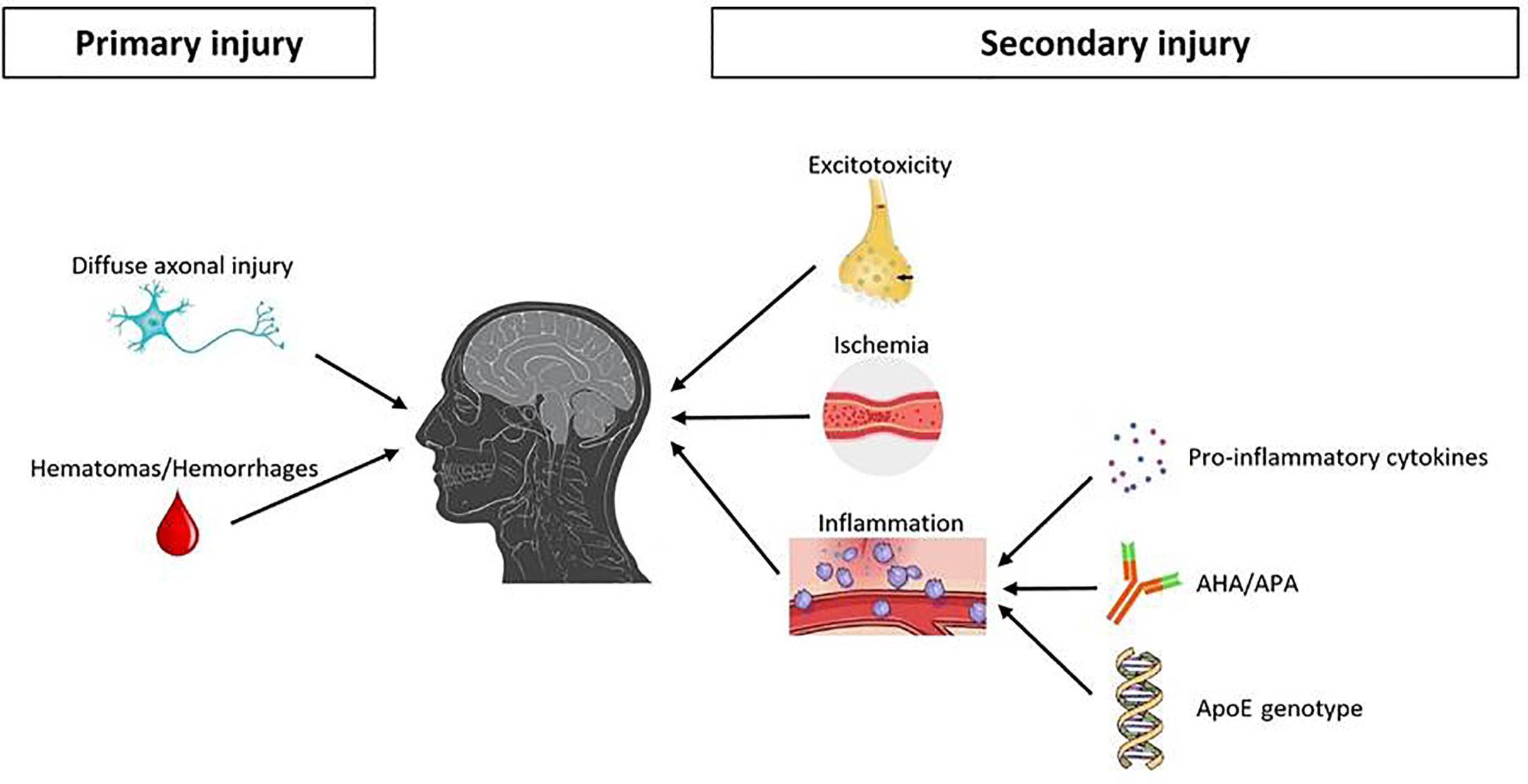
- Catastrophic Injuries: Such as spinal cord injuries, traumatic brain injuries (TBIs), severe burns, amputations, and paralysis. These injuries often result in lifelong medical care, significant rehabilitation, and profound changes to a person’s quality of life, requiring a lawyer who understands the long-term financial and personal implications.
- Complex Medical Conditions: Injuries that manifest with delayed symptoms, require multiple surgeries, or involve rare medical complications. An experienced injury lawyer can work with medical experts to establish the link between the accident and these complex health issues.
- Wrongful Death Claims: These cases involve the loss of a loved one due to another’s negligence. They are emotionally charged and legally complex, requiring a lawyer sensitive to the grief of the family while aggressively pursuing compensation for their loss.
- Product Liability Cases: Injuries caused by defective or dangerous products. These cases often involve intricate investigations into product design, manufacturing, and marketing, requiring a lawyer familiar with the specific legal theories and expert witnesses involved.
- Medical Malpractice: Claims arising from negligence by healthcare professionals. These cases are highly technical and require a deep understanding of medical standards of care and the ability to engage with medical experts to prove deviation from those standards.
Benefits of Choosing a Lawyer with a Proven Track Record
Opting for a personal injury lawyer who has a demonstrated history of success in handling cases similar to yours offers substantial advantages. A lawyer with a proven track record brings not only experience but also established relationships, a refined understanding of courtroom dynamics, and a strategic playbook honed through years of practice. This expertise can significantly influence the outcome of your case, often leading to more favorable settlements or jury verdicts.The benefits include:
- Enhanced Credibility: A lawyer with a history of success is often viewed with greater respect by opposing counsel and insurance adjusters, potentially leading to more serious consideration of your claim.
- Strategic Insight: They have likely encountered similar fact patterns and legal challenges, allowing them to anticipate opposing strategies and develop effective countermeasures.
- Access to Resources: Experienced lawyers often have established networks of trusted medical professionals, accident reconstructionists, and other expert witnesses who can bolster your case.
- Negotiation Prowess: A lawyer familiar with the value of similar cases can negotiate from a position of strength, knowing what a fair settlement looks like and how to achieve it.
- Courtroom Experience: If a case proceeds to trial, a lawyer with a proven track record in the courtroom is better equipped to present your case persuasively to a judge and jury.
Collaborating with Medical Experts and Accident Reconstructionists
A cornerstone of building a strong personal injury case is the strategic collaboration between the injury lawyer, medical experts, and accident reconstructionists. This multidisciplinary approach ensures that all facets of the incident and its consequences are thoroughly understood and effectively communicated to the opposing party, mediators, or a jury.The process typically unfolds as follows:The injury lawyer initiates the collaboration by identifying the specific needs of the case.
For instance, if a client has suffered a traumatic brain injury, the lawyer will seek out a neurologist or neuropsychologist who can provide a comprehensive assessment of the injury’s nature, severity, and long-term prognosis. This expert will review medical records, conduct examinations, and prepare a detailed report that clearly articulates the medical impact of the accident.Simultaneously, if the circumstances of the accident are in dispute or require technical analysis, the lawyer will engage an accident reconstructionist.
This professional uses scientific principles and engineering expertise to determine how the accident occurred. They can analyze factors such as vehicle speeds, points of impact, road conditions, and driver actions to establish fault and liability. Their findings are often presented through detailed reports, diagrams, and sometimes even computer simulations that visually demonstrate the sequence of events.The injury lawyer then synthesizes the information provided by these experts.
They translate complex medical jargon into understandable terms for a jury and use the reconstructionist’s findings to establish negligence or liability. This integrated approach allows the lawyer to present a cohesive and compelling narrative that demonstrates not only how the accident happened but also the full extent of the harm suffered by the client, supported by irrefutable expert testimony. This collaborative effort is crucial for proving causation, damages, and liability, thereby maximizing the chances of a successful resolution.
Understanding the Collaborative Dynamic Between an Injured Individual and Their Legal Counsel
The journey following an accidental injury is often complex and emotionally taxing. Navigating the legal system to secure fair compensation requires a strong partnership between the injured party and their chosen legal advocate. This collaboration is not merely a transactional exchange but a deeply intertwined relationship built on mutual understanding, clear communication, and shared commitment to achieving the best possible outcome.
The success of a personal injury claim hinges significantly on how effectively the client and their attorney work together, each bringing unique strengths to the table. The client possesses the firsthand experience of the injury and its impact, while the lawyer brings legal expertise, strategic thinking, and an understanding of the procedural intricacies involved.This symbiotic relationship is the bedrock upon which a strong personal injury case is built.
Without it, vital information can be missed, strategies can be misaligned, and the overall process can become unnecessarily arduous. An injury lawyer’s role extends beyond mere legal representation; they become a guide, an advisor, and a trusted confidant throughout what can be a challenging period. Similarly, the client’s active and informed participation is indispensable. This section delves into the core principles that foster this dynamic, the essential contributions of the client, and practical strategies for cultivating an effective working relationship.
Foundational Principles of Trust and Open Communication
The attorney-client relationship in personal injury cases is fundamentally built upon the pillars of trust and open communication. Trust is earned through consistent professionalism, transparency, and a genuine commitment to the client’s well-being and legal interests. An injured individual entrusting their recovery and financial future to a lawyer needs to feel confident that their case is being handled with the utmost care and diligence.
This confidence is nurtured when the lawyer is upfront about potential outcomes, risks, and the realistic timeline of the legal process. Open communication ensures that no detail, however small it may seem to the client, is overlooked. It means creating an environment where the client feels comfortable asking questions, expressing concerns, and sharing any information that might be relevant to their case without fear of judgment.
This continuous dialogue allows the lawyer to gain a comprehensive understanding of the injury’s impact on the client’s life, which is crucial for demonstrating the full extent of damages.
“The strength of a legal case is directly proportional to the clarity and honesty of the communication between the client and their counsel.”
This principle extends to the lawyer’s responsibility to keep the client informed about significant developments, legal strategies, and any offers of settlement. Conversely, the client’s commitment to honesty and thoroughness in their communication is equally vital. This includes disclosing all relevant facts, even those that might seem unfavorable, as withholding information can inadvertently harm the case. A relationship where both parties feel heard, respected, and valued is essential for navigating the complexities of personal injury litigation effectively and for achieving a just resolution.
Explore the different advantages of los angeles injury attorney that can change the way you view this issue.
Essential Information and Documentation for Case Evaluation
To enable your injury lawyer to conduct a thorough and accurate evaluation of your case, providing comprehensive information and documentation is paramount. This detailed information allows the legal team to understand the circumstances surrounding your injury, assess liability, and quantify the damages you have sustained. Without this crucial input, the lawyer’s ability to build a strong case and negotiate effectively is significantly hampered.
The more complete and organized the information provided, the more efficiently and effectively the lawyer can proceed with developing a strategic approach.A client should be prepared to furnish a range of documents and details, which can be broadly categorized as follows:
- Incident Details: A detailed account of how the accident occurred, including the date, time, and location. This should encompass a narrative of events leading up to, during, and immediately after the incident.
- Contact Information: Names and contact details of any witnesses to the accident.
- Medical Records: All records pertaining to your injuries, including ambulance reports, emergency room visits, hospital stays, physician’s notes, diagnostic test results (X-rays, MRIs, CT scans), therapy records, and prescription information.
- Photographic and Video Evidence: Any photos or videos taken at the scene of the accident, of your injuries, or of property damage.
- Insurance Information: Details of all relevant insurance policies, including your own and those of the party at fault, if known. This includes policy numbers and insurance company contact information.
- Financial Records: Documentation of all economic losses, such as medical bills, receipts for medication and medical equipment, pay stubs or employment records demonstrating lost wages, and estimates for property damage repairs.
- Correspondence: Any letters, emails, or other communications received from insurance adjusters, the opposing party, or their representatives.
Active Client Participation in Personal Injury Claims
While your injury lawyer provides professional guidance and handles the legal complexities, your active participation is crucial for a successful personal injury claim. You are the expert on your own experience, and your insights are invaluable. Actively engaging in your case means being an informed and involved participant, working in tandem with your legal counsel rather than passively observing. This collaboration ensures that your lawyer has all the necessary information and that the strategy developed truly reflects your priorities and the reality of your situation.Here are practical ways clients can actively participate:
- Maintain a Detailed Injury Journal: Regularly document your daily experiences, including pain levels, limitations in daily activities, emotional distress, and any challenges you face due to your injuries. This journal serves as a powerful tool to illustrate the ongoing impact of the accident beyond immediate medical expenses.
- Attend All Scheduled Appointments: Make it a priority to attend all medical appointments, physical therapy sessions, and any consultations with your lawyer. Consistency in treatment demonstrates the severity of your injuries, and consistent communication with your lawyer ensures they are always up-to-date.
- Be Honest and Thorough in Communications: When discussing your case with your lawyer, be completely honest about all aspects of the accident and your recovery. Do not withhold information, even if you believe it is insignificant. Similarly, clearly articulate your concerns and goals.
- Review Documents Carefully: Take the time to carefully review any documents your lawyer provides for your signature or review. Ask questions if anything is unclear. This includes understanding settlement offers and the implications of accepting them.
- Provide Feedback: Offer your feedback on proposed legal strategies or settlement negotiations. Your perspective as the injured party is essential in decision-making processes.
Framework for Effective Client-Lawyer Interactions
Establishing a robust framework for interaction between a client and their injury lawyer is essential for fostering a productive and transparent relationship. This framework ensures that communication flows smoothly, information is exchanged efficiently, and both parties remain aligned throughout the legal process. Clear expectations regarding communication frequency, methods, and the nature of updates contribute significantly to client confidence and peace of mind.An effective framework typically includes the following elements:
- Regular Case Updates: Lawyers should commit to providing clients with regular updates on their case’s progress, even if there are no significant developments. This might include monthly email summaries or scheduled phone calls. Clients should understand that the legal process can be slow and that periods of inactivity are common, but regular communication helps mitigate anxiety.
- Clear Explanations of Legal Procedures: Injury lawyers must take the time to explain complex legal terms, procedures, and strategies in plain language that the client can easily understand. This demystifies the legal process and empowers the client to make informed decisions.
- Shared Decision-Making: While the lawyer provides expert advice, major decisions regarding settlement offers, trial strategy, and case direction should be made collaboratively. The lawyer presents options and explains the pros and cons, and the client, with their unique understanding of their situation, participates in the final decision.
- Accessibility and Responsiveness: Clients should have a clear understanding of how and when they can reach their lawyer or a member of their legal team. Lawyers should strive to respond to client inquiries within a reasonable timeframe, typically within one to two business days.
- Initial Consultation and Case Strategy Discussion: The initial meeting is crucial for setting the tone. It should involve a thorough discussion of the accident, the client’s injuries, potential damages, and the lawyer’s proposed strategy for pursuing the claim. This sets clear expectations from the outset.
Illustrating the Tangible Impact of Dedicated Legal Advocacy on Personal Recovery and Justice
The journey following an accidental injury is often fraught with physical pain, emotional distress, and significant financial strain. In such trying times, the presence of dedicated legal advocacy can be a beacon of hope, fundamentally altering the trajectory of an individual’s recovery and their pursuit of justice. An experienced personal injury lawyer acts as a shield, absorbing the overwhelming complexities of the legal system and allowing the injured party to channel their energy where it matters most: healing and regaining their life.Skilled legal representation extends far beyond simply filing paperwork.
It involves a deep understanding of the client’s personal circumstances, a tenacious pursuit of truth, and a strategic approach to securing the compensation that truly reflects the damages incurred. This dedicated advocacy alleviates the immense burdens that often accompany serious injuries, from managing medical bills and lost wages to navigating the emotional toll of a life-altering event.
Alleviating Burdens for Enhanced Healing
The physical and emotional toll of an injury can be debilitating, often compounded by the stress of legal proceedings. A skilled personal injury lawyer acts as a crucial buffer, managing the intricate details of a claim so that the injured individual can prioritize their recovery. This includes handling all communication with insurance companies, gathering evidence, and ensuring that the client is not subjected to the often aggressive tactics employed by adjusters seeking to minimize payouts.
By entrusting these responsibilities to legal counsel, individuals can dedicate their time and mental energy to rehabilitation, therapy, and regaining their strength, free from the constant worry of legal battles.
Anonymized Anecdotes of Positive Influence
Consider the case of “Maria,” who suffered severe back injuries in a car accident caused by a distracted driver. The pain was constant, and she was unable to return to her demanding job as a nurse. Her initial interactions with the at-fault driver’s insurance company were frustrating, with offers that barely covered her immediate medical expenses. Her attorney, however, meticulously documented Maria’s pain, her loss of earning capacity, and the profound impact the injury had on her ability to care for her children.
Through detailed medical expert reports and a compelling presentation of Maria’s daily struggles, the lawyer secured a settlement that not only covered all her past and future medical costs but also provided substantial compensation for her lost income and pain and suffering, allowing her to undergo necessary surgery and rehabilitation without financial ruin.Another instance involved “David,” a construction worker who sustained a traumatic brain injury after a scaffolding collapse.
His cognitive impairments made it difficult to recall events, and his family struggled to understand the long-term implications of his injury. His legal team worked closely with neurologists and vocational rehabilitation specialists to build a comprehensive picture of David’s diminished capacity. They ensured he received the necessary support for his recovery and fought to establish the full extent of his future care needs, ultimately achieving a settlement that secured his long-term financial security and access to ongoing therapeutic services.
Hypothetical Client Scenarios and Pathways to Resolution
Personal injury claims present a wide array of challenges, each requiring a tailored legal strategy. The following hypothetical scenarios illustrate how specialized legal expertise provides a clear pathway to resolution:
- Scenario 1: Slip and Fall in a Negligently Maintained Property
- Scenario 2: Medical Malpractice Leading to Worsened Condition
- Scenario 3: Pedestrian Hit by a Drunk Driver
A client, “Sarah,” slipped on a wet floor in a grocery store that lacked adequate warning signs. She suffered a fractured wrist, requiring surgery and extensive physical therapy. The store’s management denied responsibility, claiming Sarah was not paying attention. An injury lawyer would investigate the store’s maintenance logs, interview witnesses, and gather photographic evidence of the hazardous condition. By establishing the store’s negligence in failing to maintain a safe environment, the lawyer would negotiate a settlement covering Sarah’s medical expenses, lost wages from her inability to work her administrative job, and compensation for her pain and suffering.
“Michael” underwent a surgical procedure that resulted in complications and a significantly worse outcome than initially projected, due to alleged surgical errors. Proving medical malpractice is complex, requiring expert medical testimony to establish a breach in the standard of care. An experienced attorney would engage highly qualified medical professionals to review Michael’s case, gather all relevant medical records, and build a case demonstrating how the healthcare provider’s actions led to his worsened condition and subsequent damages, including additional medical treatments and long-term disability.
“Emily,” a young student, was struck by a vehicle driven by an intoxicated individual while crossing the street. The accident left her with multiple fractures and significant emotional trauma. The immediate focus would be on ensuring Emily receives the best medical care and psychological support. The legal team would then work to gather evidence of the driver’s intoxication, including police reports and toxicology results, and pursue a claim against both the driver and potentially their insurance company, seeking compensation for Emily’s extensive medical bills, her future earning potential, and the profound emotional distress she experienced.
Enhance your insight with the methods and methods of personal injury lawyer.
Building a Narrative of Suffering and Impact
The core of effective personal injury advocacy lies in the meticulous construction of a narrative that vividly conveys the full extent of a client’s suffering and its pervasive impact on their life. This goes beyond simply listing injuries; it involves painting a comprehensive picture of how the accident has irrevocably altered the client’s daily existence.A skilled injury lawyer employs several strategies to achieve this:
- Comprehensive Documentation: This involves meticulously gathering all medical records, from initial emergency room visits to ongoing therapy sessions, along with bills, receipts, and proof of lost income.
- Expert Testimony: Engaging medical experts, life care planners, and vocational rehabilitation specialists to provide authoritative opinions on the nature of the injuries, the long-term prognosis, and the impact on the client’s ability to work and enjoy life.
- Client’s Own Voice: Encouraging the client to articulate their experiences, their pain, their frustrations, and their hopes for the future. This personal testimony is often the most powerful element in conveying the human cost of the injury.
- Visual Evidence: Utilizing photographs and videos of the accident scene, the extent of the damage to vehicles, and, where appropriate and with client consent, the physical manifestations of the injury.
- Impact Statements: Detailing how the injury affects the client’s relationships, their ability to participate in hobbies, their household responsibilities, and their overall quality of life.
By weaving these elements together, the legal advocate constructs a compelling and irrefutable case that demonstrates not just the fact of the injury, but the profound and lasting consequences it has had. This detailed narrative is instrumental in persuading insurance companies or juries to award a just outcome, ensuring that the injured individual receives the compensation necessary to rebuild their life and find a sense of closure.
Ending Remarks
In essence, the engagement of an injury lawyer transcends mere legal representation; it signifies a partnership built on trust, expertise, and a shared commitment to achieving a just outcome. From meticulously gathering evidence and navigating complex legal procedures to skillfully negotiating with insurance companies and advocating fiercely in court, their role is pivotal. The financial considerations, while important, are often structured to align with your recovery, ensuring access to essential legal support.
Ultimately, a skilled injury lawyer empowers you to focus on healing, offering not just legal recourse but also the profound reassurance that your rights are protected and your pursuit of justice is in capable hands.
Top FAQs
What is a contingency fee arrangement?
A contingency fee means the injury lawyer only gets paid if they win your case, typically taking a percentage of the settlement or award. This arrangement makes legal representation accessible without upfront costs.
How long do I have to file a personal injury claim?
The time limit to file a personal injury claim is known as the statute of limitations, which varies by state and the type of injury. It’s crucial to consult an injury lawyer promptly to ensure your claim is filed within the deadline.
What kind of evidence is important in a personal injury case?
Important evidence includes police reports, witness statements, medical records, photos of the accident scene and injuries, and any communication with insurance companies. An injury lawyer will guide you on what evidence is most relevant.
Can an injury lawyer help with medical bills?
Yes, an injury lawyer will work to recover compensation for your medical bills, both past and future, as part of your personal injury claim. They can also help manage ongoing medical treatment negotiations.
What if the accident was partially my fault?
In many jurisdictions, comparative or contributory negligence rules apply. An injury lawyer can explain how your degree of fault might affect your ability to recover damages and will work to minimize the impact of any shared responsibility.